Traditional hiking foods


Tips from Sigrid Henjums on what you can make yourself from hiking food!

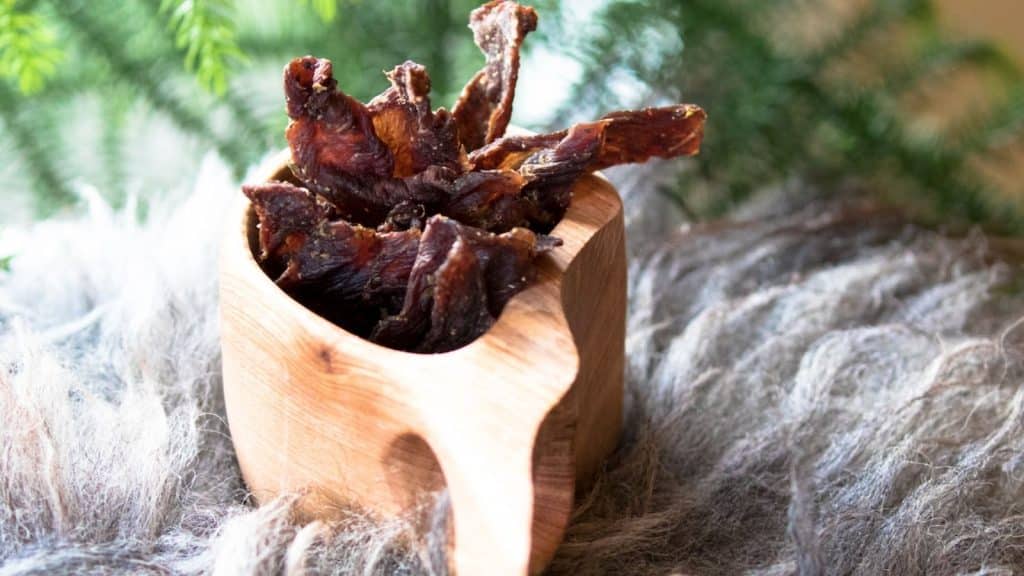
Spekemat i en kopp på et saueskinn

Beef Jerky is a type of marinated, partially dried meat. The most common is to use beef, but meat from deer, elk or other animals can also be used. The important thing is that you use meat with little fat, as fat does not dry as well and makes the shelf life worse. The meat is ready after half a day of drying, so this is express cooking!

There are several reasons why dried meat is perfect for camping: It is light in weight, can be stored for weeks and does not need refrigeration to keep. In addition, it is tasty, healthy and filling.

What you need:

200 g of meat in fine thin strips. (It may be easier to cut the meat into thin strips if the meat is still slightly frozen.)

2 tablespoons BBQ sauce, HP sauce or Worcester sauce – or the sauce you prefer

1 teaspoon herb salt

A little ground pepper

Here’s how:

Mix together the sauce, salt and pepper and add the meat strips to the marinade. Place in the refrigerator overnight.

Lay the meat strips flat on baking paper and dry them in the oven at 50 degrees for 6-10 hours, depending on how large the pieces of meat are. The goal is that they should be soft, but feel dry. (My pieces became quite crispy after a while in a box, but that was also good.) The meat will keep for a long time if you store it cold and dry.

Enjoy with a good drink, as an energy boost on the go, or as an appetizer while waiting for dinner.

Spruce syrup à la Sigrid

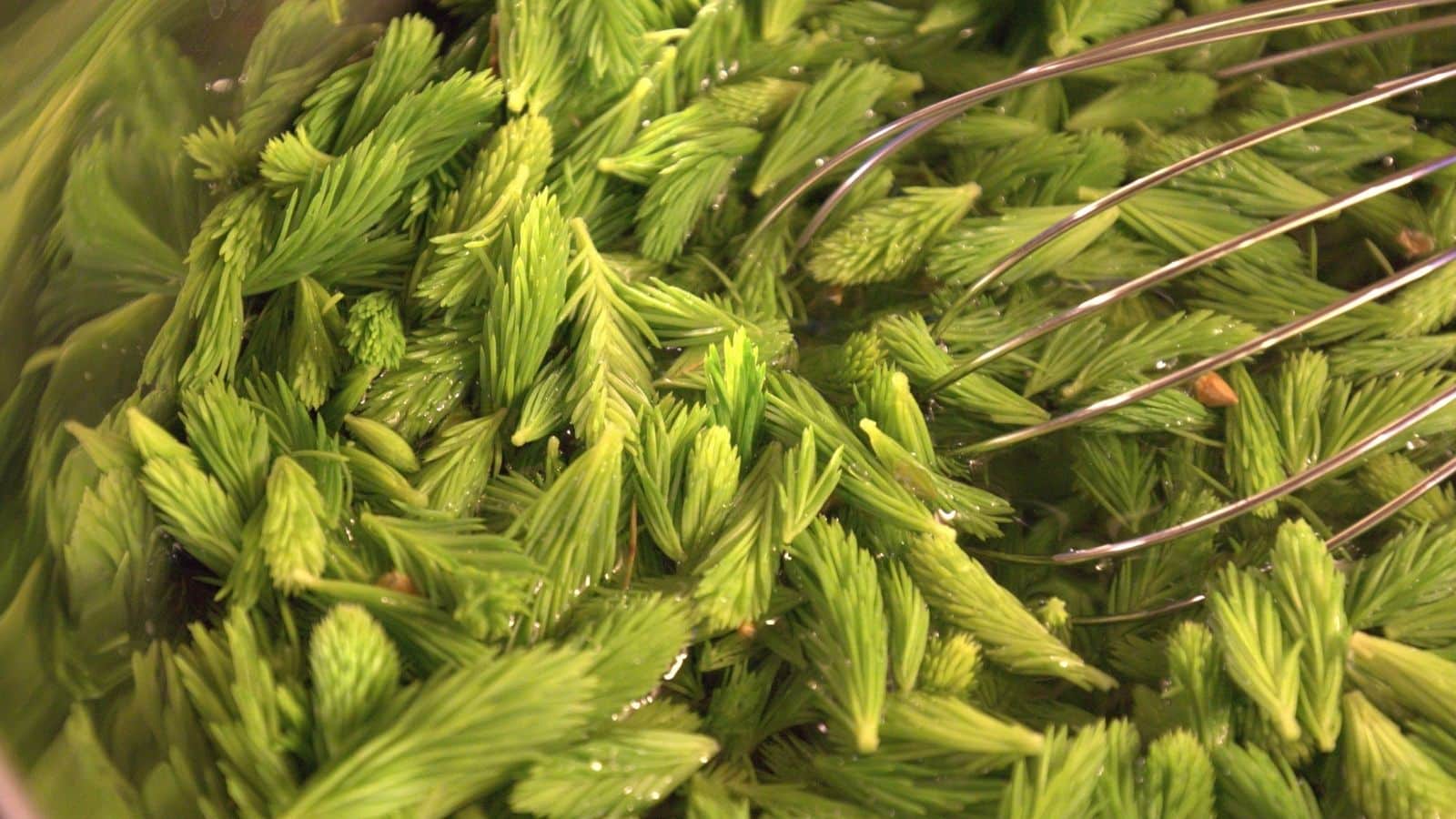
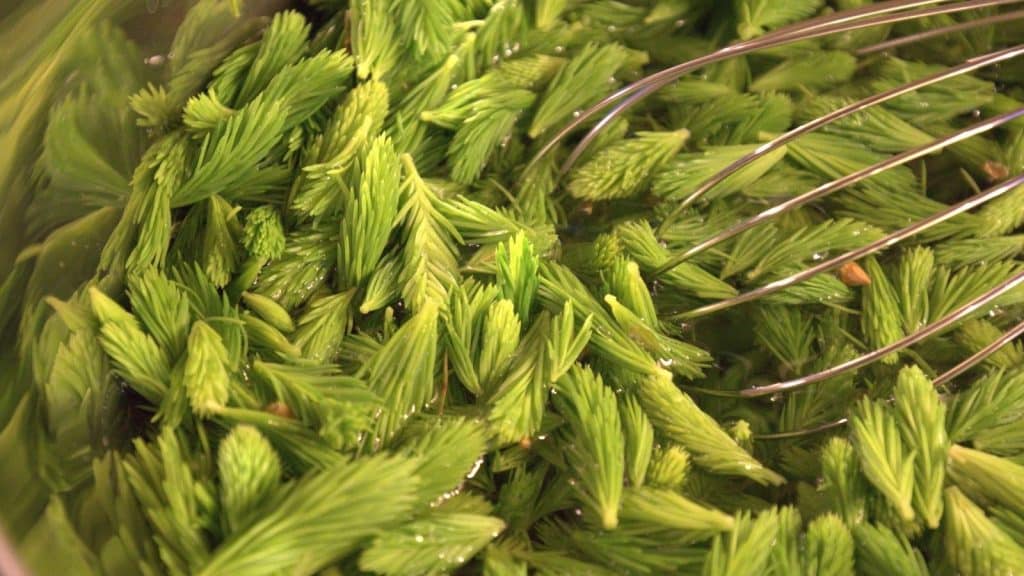
Granskudd

In the spring, spruce shoots sprout on the spruce trees, and if you pick the small fresh shoots before they have started to sprout, it is a short journey to a delicious syrup that you can use for so many things. – I use spruce syrup to make tea sweet, blue cheese irresistible or vanilla ice cream exciting, says Sigrid.

What you need:

2 liters of small spruce shoots that are less than 2 cm

3 liters of water

Almost 1 kg of sugar

Here’s how:

Boil the spruce shoots in the water for about 45 minutes

Add sugar and cook for another 15 minutes before taking out the spruce shoots

Let the sugar syrup boil down to syrup. It is ready when the color is reddish and the consistency is like syrup

Pour into small bottles and have available for any occasion where the syrup can enhance the taste

Experience Hurdal

A scenic oasis that gives you breathing space, closeness and experiences all year round.

Hurdal is a beautiful natural area with fresh air, peace and adventures all year round. Here you will find Hurdalsjøen, an idyllic lake with a hotel right on the water’s edge, surrounded by beautiful nature and countless opportunities for activities and relaxation outside.

In Hurdal you will encounter the best of Norwegian nature, deep forests, clear waters and generous hill landscapes with several summit hikes. Here you can paddle quietly on Hurdalsjøen, swim on warm beaches, ski in winter or take your hammock and fishing rod to a peaceful forest grove.

Welcome to Hurdal – the pearl of Eastern Norway

Just a short drive from the capital awaits Hurdal – a beautiful natural area with fresh air, tranquility and experiences all year round. Here you will find Hurdalsjøen, an idyllic lake with a hotel right on the water’s edge, surrounded by beautiful nature and countless opportunities for activities and relaxation outside.

For the adventurous

With us, summit hikes with a first-class view await you – and yes, you don’t have to be a pro to enjoy them. In Hurdal you will find 8 of Akershus’ 10 highest peaks, where Fjellsjøkampen looms the highest! 

Hurdal is also a cycling paradise, both on country roads and in the forest. Nice round trips like around Hurdalsjøen can easily be replaced with large, fine gravel roads and trails on the ridge over several miles. Many of the same miles where ski trails are also prepared in winter! In recent years, Hurdal has also become a well-known place for those who love randonee, and Nordliskampen is more visited in winter than in summer.

Summer in Hurdal

There are many swimming opportunities, whether you choose beautiful shallow beaches at Åsand or Meieriodden, or in fantastic surroundings at Hurdalsjøen Hotell, Haugnes camping or Bogen Brygge. In addition to all the rivers, lakes and streams on the hills around Hurdal center. Hurdalsjøen is characterized by activities in the summer with a bustling boat and swimming life!

Winter in Hurdal

Every year, the most beautiful winter adventure, the World Championship of Downhill Skiing, is held. Here you can feel the adrenaline and the magnificent folk festival. Not enough adrenaline? Then head downhill at Hurdal Ski Center and experience Akershus’ largest alpine resort!

Hurdalsjøen has early opportunities for those who want to go cross-country skiing, the trails are run early and they last longer than most other places. In addition, when winter allows, there are great ice skating rinks on the lake.

But Hurdal is more than nature. It is a vibrant local community where people greet each other, small cafes offer homemade pastries and local foods, and local involvement shapes both culture and events. Each season has its own unique character.

Do you need a break from the big city, but want to feel welcome and inspired – then Hurdal is the place. Close enough that you can do it in a day, but with enough peace and experiences to make it a weekend.

All this only 1 hour by public transport from Oslo city center!

Discover Hurdal, the pearl of Eastern Norway – where time passes a little slower and experiences last a little longer.

Trip suggestions in Hurdal from UT.no

Live and experience Hurdal

Here you can find places to stay and experiences!

Utekunst Hurdalsjøen Hotell & Spa

Nyt Hurdalsjøen Hotell – her har du alt du kan ønske deg!

Hurdalsjøen Hotell & Spa

Et fristed rett nord for Gardermoen Hurdalsjøen Hotell & Spa ligger nord i gamle Akershus fylke – i Hurdal kommune. 1 time fra Oslo og…

Spa på Hurdalsjøen Hotell & Spa

Hurdalsjøen Hotell og Spa ligger inne i de dype skoger i Hurdal, en kort tur fra Oslo lufthavn Gardermoen.

Badstuer på Hurdalsjøen Hotell & Spa

Badstuopplevelser ved Hurdalsjøen

Hurdalsjøen rundt på sykkel

Opplev dennne flotte turen med sykkel

Badeplasser i Hurdal kommune

Meieriodden Langgrunn sandstrand ved Hurdal Kirke.  Friområde med rastemuligheter. Toalett tilpasset funksjonshemmede, parkeringsplass. Åssanden I nordenden av Hurdalsjøen, ved utløpet av Hurdalselva. Langgrunt, og med fin…

Delstrekning Mjøstråkk, Hurdal-Minnesund

Mjøstråkk er mye mer enn en sykkelrute rundt Mjøsa

Mjøstråkk

Mjøstråk er mye mer enn en sykkelrute rundt Mjøsa

Sykkelpakke – Hurdalsjøen by bike

Sykkelturer, SPA, god mat på Hurdalsjøen Hotel!

Sights and experiences

Read more about what you can experience in both summer and winter.

Friluftsliv og severdigheter i Hurdal

Fiske Hurdalssjøen er 16 km lang, og 59 m på det dypeste. Det er 13 fiskearter i sjøen, med abbor, gjedde og ørret som de…

The Norwegian cheese adventure

From mountain farms to local cheesemakers

Norwegian cheese is finally considered among the world’s greatest. How did it get there? 

Norwegians love cheese. In fact, we’ve never eaten more cheese than right now – close to 19 kilos a year per head, placing us close the French when it comes to the world’s most cheese-loving nations.

Norway’s cheese adventure started with brown cheese in the Gudbrandsdalen valley more than 150 years ago. Still, Norwegian cheese has only recently gained international recognition, with two gold medals in the World Cheese Awards in 2016 and 2018.

In the Oslo region, traditions live side by side with bold experimentalism from independent cheesemakers.

From mountain farms to large-scale production

Traditionally, cheese was made in the areas where animals would be grazing in the summer. Calving took place in the spring, which led to a lot of milk being produced on the summer farms. Curdling became a method for preserving the milk, without any resources going to waste. 

“Norwegian farming traditions go way back, and the households with animals had to utilize all resources. Producing milk products such as cheese and butter became a way of doing this. The households learned how to use the different byproducts of the milk in specific ways”, says Ingrid Lamark, project manager for Norges Bygdekvinnelag (The Associated Country Women of Norway) and one of the driving forces behind the website Norsk tradisjonsmat, dedicated to different traditional food traditions around Norway.  

The country’s first dairy, Rausjødalen in Tolga, Østerdalen, started producing cheese in 1856, and soon more dairies got organized in the cooperative TINE. Today, TINE represents the volume of Norwegian cheese production, while a growing number of innovative dairy farms and farmers create world-class cheeses. Many of them are found in the Oslo region.

Dairy farms in picturesque surroundings

The idyllic Hadeland district is the home of Thorbjørnrud ysteri –  Norway’s sole hotel farm. Their five cheese varieties are all curdled in what used to be the hotel’s swimming pool, and a whopping 10 tons of cheese are being produced here every year. If you check, most of the food you’ll be served is local, produced by the hosts themselves.

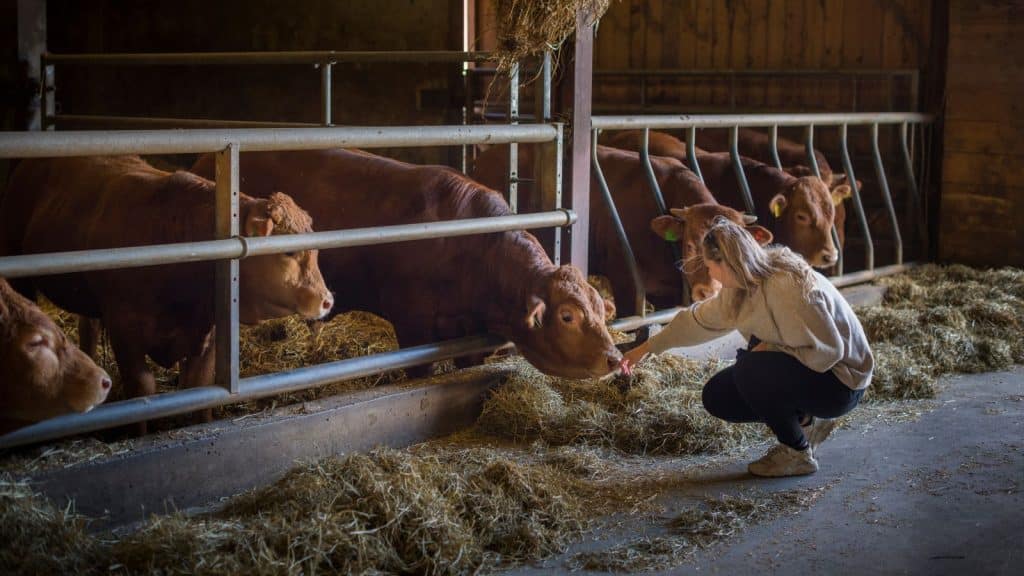
The family farm Grøndalen Gård is situated in Nes, Akershus. They produce the ecological hit Ný– a velvety, white fresh cheese with a distinct, fresh and acidic touch. Mother’s love is of the essence at this farm, where the cows and their calves get to spend months together. Several chefs have fallen in love with the cheese, which has made its way into top restaurants such as Maaemo and Kontrast in Oslo. Nýr has been awarded with Norway’s first award for animal welfare in food production, Dyrevernmerket

Southwest of Nes, in Hokksund, is where you’ll find Eiker Gårdsysteri. This dairy farm’s cheeses are made exclusively from the milk produced by the 60-70 cows roaming freely on their pasture. The cows get to decide when to be milked, when it’s bedtime or whether to eat in- or outdoors.

Eiker Gårdsysteri collaborates with Blaafarveværket in Vikersund, an 8 kilometre museum mixing art, culture and nature. Deep inside the cobolt mines, in a specially designed mining shaft 200 metres into the mountain and 50 metres underground, the award-winning Gruveost (“mining cheese”) is being ripened. Due to the humidity and climate of the mine, the cheese thrives down here.

Say (brown) cheese

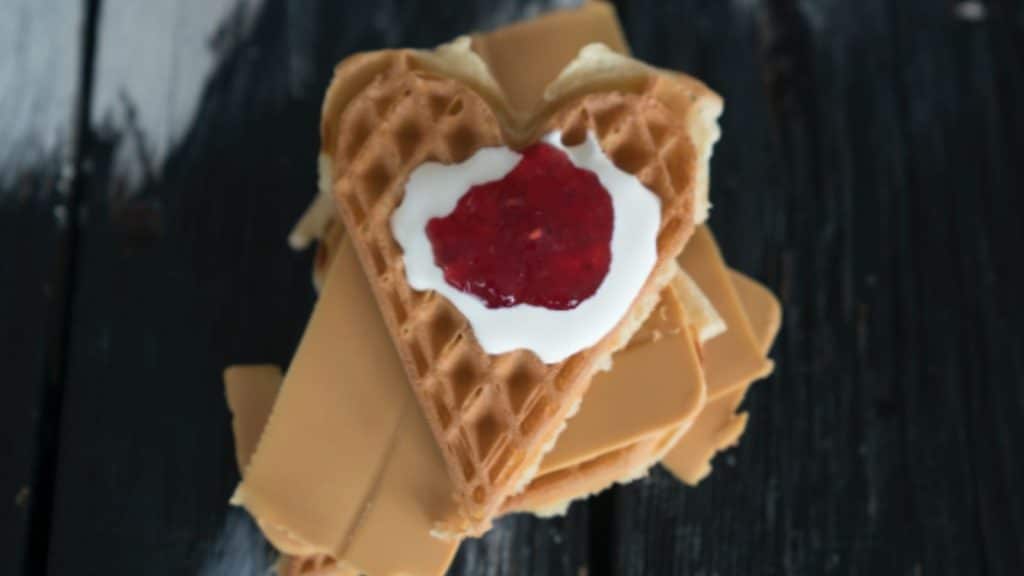
Although the mild, yellow cow’s milk cheese may be the most popular, many Norwegians have a soft spot in their hearts for the caramelly taste of the brown cheese. It’s one of our proudest food traditions – and unique to Norway.

Brown cheese is really a byproduct of cheese production, but according to Lamark from Norges Bygdekvinnelag, it’s important to keep the connection between the brown cheese and the white cheese in mind.

“If you’re going to produce white cheese from ten litres of milk, you’ll be left with nine litres of whey. Using this to make brown cheese was a way of using all resources to the maximum effect, which goes way back to our long farming traditions”, she says.

The first written accounts of brown cheese dates back to 1646. But it was not until 1863, when milkmaid Anne Hov from the Gudbrandsdalen valley added cream to the whey cheese, and later goat’s milk, that the brown cheese as we know it – Gudbrandsdalsost the most popular among them – came to its own.

Today, Anne Hov’s old farm Solbråsetra is a museum. In the summer you can visit the farm, visit the milkmaids working there and taste freshly boiled Gudbrandsdalsost.

Cheese as artworks

There’s still cheese production in Gudbrandsdalen today. Just northwest of  Solbråsetra, at the gate of the mighty Jotunheimen mountains, you’ll find the mountain village Heidal. Cheese has been produced here for countless years, and these days, Heidal Ysteri is keeping the tradition alive.

The Heidal cheese is made the old way, and by using a mold made by a local woodcarver, each brown cheese becomes a work of art. You can buy the cheese at Ysteriet kafé og bakeri, along with all the pastries and breads your heart may desire.

In other words: Tradition combined with innovation. That’s a precise way to sum up the Norwegian cheese adventure as well.

Did you know…

  • In a survey from 2015, Norwegians were asked which condiment they would pick if they only could choose one. 28 percent chose yellow cheese, while 10 percent went for brown cheese.
  • Gudbrandsdalen is not only the birthplace of the brown cheese. This is also where the cheese slicer was invented by Thor Bjørklund in 1925. The cheese slicer is now manufactured in Ringebu, where you’ll find the world’s largest of its kind, measuring a whopping 8 metres.

Where to get your cheese fix:

  • Håøya Naturverksted – Håøya

On the largest island in the Oslofjord, Håøya, milk from cashmere goats milked by hand is turned into white cheese every summer. Visit the café, where you can buy cheese, bread, cashmere caramels and other homemade delicacies. To go to Håøya, catch the B21 from Aker Brygge.

  • Bygdø Kongsgård – Oslo

The Royal Farm in Oslo makes and sells a variety of dairy products – including a wide range of cheeses – made from ecological milk from their own cows.

  • Ysteri Pultostkoppen – Ringerike

A local craft farm in Åsbygda, Ringerike. Try their pultost, a soft, mature Norwegian sour milk cheese flavored with caraway seeds. You can buy the cheese in local stores.

  • Holt Gård – Undrumsdal

Holt Gård is a cosy farm situated between Horten and Tønsberg. Buy vegetables, eggs, meat, fresh cheese, yoghurt and ice cream in their café.

  • Ommang Søndre – Løten

The Norwegian cousin of Parmigiano-Reggiano is one of many cheeses produced and sold in the open, slightly hilly landscape of Hedmarken at the farm Ommang Søndre.

  • Bakken Øvre Gårdsmat – Løten

In the same area, Bakken Øvre Gårdsmat offer everything from pultost, ice cream and sour cream to meat products.

  • Ost & Sånt, Mathallen – Oslo

Ost & Sånt in the food court Mathallen specialises in tasty, Norwegian farm cheeses, as well as a selection of imported cheeses.

  • Gutta – Oslo

Gutta på Haugen is located in the St. Hanshaugen neighbourhood, with branches in Mathallen and in Sandvika. The place to go for cheeses and charcuterie. 

Silver from the sea. Jump in, the water’s lovely!

Whether you like going fishing or are content to simply taste the result, you will find some of the country’s best fishing rivers, waterfalls, lakes and coastal stretches in the area surrounding Oslo. Not to mention people for whom converting catch into cuisine is part artform, part alchemy.

That is something easily overlooked, given Norway’s reputation as a major offshore oil producer. But the roots of this modern nation are deeply embedded in another, far tastier, treasure that lies hidden beneath the surface of the sea: fish.

Winter cod, salmon and herring have been among our largest and most important export items for hundreds of years. And Norway’s traditional right to roam freely in the countryside has ensured that anglers have also been able to spend their leisure hours hauling up the silver of the sea.

Although Norway’s west coast, from north to south, is often highlighted as a source of maritime pride, the Oslo Region is perhaps the very best area to fish for – and enjoy – all that is hidden beneath the waves.

Sandefjord’s culinary wizard

Not many people have the certificates to prove they are the world’s best chef, but Geir Skeie is one of them.

He won the prestigious international culinary competition Bocuse d’Or at the age of 28. Today, he runs a number of restaurants, including the seafood restaurant Brygga 11 in Sandefjord. The establishment’s philosophy is simple:   

“Seafood to the people! Finding new ways of introducing seafood, and making it delicious and accessible, while retaining its distinctive taste. It’s the best way to convert people who think they don’t like seafood. We’ve had a number of guests who’ve asked in surprise: ‘Can it really taste like this?’” says Skeie.   

One of his aims with Brygga 11 is to get people to eat more fish and to inspire them to increase the amount of seafood they cook at home.

“Consumption of seafood in Norway has fallen in recent years, which is sad. To some extent, this is to do with price, but knowledge also plays a part. Many people probably think it’s easier to cook a steak than a slice of fish. In reality, you could just as well use fish in dishes that you would normally make with chicken or pork.”

Geir Skeie is originally from Fitjar on the west-coast island of Stord, a place with a long fishing tradition.  

In his experience, culinary preferences on the west coast are rather more traditional. Impulses from abroad and new ways of preparing fish, such as sushi and poke, often arrive first in the Oslo Region. In the west, there are still many people who won’t eat raw fish.

Brygga 11’s closest neighbour is the fishmonger’s Brødrene Berggren – an important supplier of the ingredients on which Skeie works his culinary magic. 

“We have unique access to the best and freshest raw materials. Every day, we talk to the fishermen and the people working at the fish landing centre to ensure we obtain the best fresh produce and keep abreast of what’s going on. At times, certain items may be hard to come by, and being able to tell our customers why only adds to our credibility.”

When the quality is good…

And for Brødrene Berggren, credibility and tradition are the key. When the firm started up in 1911, the fishmonger’s was run by two brothers – the eponymous brothers Berggren. Since then, the baton has been passed down through the family. Today, members of the fourth and fifth generations work there.

The firm’s general manager is Kjell Henry Olsen, who, along with his wife, took over from her parents in 2004.

They greatly appreciate the firm’s collaboration with Brygga 11. Customers who have eaten at the neighbouring restaurant and who want to make the same dish themselves often pop in. Here they can buy exactly the same premium quality fish.

“We have very much the same views when it comes to fish,” says Kjell Henry. “We also want to make seafood accessible to everyone.”

Because quality fish doesn’t have to be expensive, he continues, letting us in on a little trade secret.

“As long as the fish is fresh and treated well from sea to store, you don’t need to choose the expensive varieties. Whiting and tusk (cusk) have a rounded flavour, and are both reasonably priced and delicious to eat. If you choose sole or turbot, prices are at a completely different level.

“When the quality is good, everything’s good,” he says with a chuckle.

Bountiful Skagerrak

Brødrene Berggren offer a wide range of fish and shellfish from the region: from fjord-caught haddock to wild salmon from the Numedalslågen river. The ‘Lågen’, as it is called locally, is one of the country’s finest salmon rivers.

However, it is the fresh, local prawns that are the traditional fishmonger’s biggest seller. Small prawn trawlers, typically just 35’ in length, chug out from the Skagerrak coast at dawn and return to harbour the same evening loaded to the gunwales with flavoursome prawns.

“These are day-fresh prawns of a very high quality. Skagerrak is grossly underestimated as a source of food. Here we have a bountiful supply of delicious seafood,” says Kjell Henry.

In the land of trout and perch

Norway has one of the world’s largest angling communities. “Almost half the population go fishing,” says biologist and fishing adviser Øyvind Fjeldseth, with the Norwegian Association of Hunters and Anglers (NJFF).

“Recreational fishing has a long tradition here in the Oslo region, dating back to the early 1900s. Participation increased particularly in the 1950s, when people were becoming more affluent and had more time and opportunities to get away from work.

When it comes to fishing, each region in Norway has its own identity. Northern Norway has winter cod, while herring and mackerel define the coast going south. Norway’s Eastern Region also has its own distinctive fishing traditions.

“The Eastern Region is characterised by freshwater fishing, with trout and perch as the most important species.

That said, there is a huge variety of fish to be caught in the region,” says Fjeldseth.

“The Oslofjord is the most species-rich area in Norway. Fishing for cod in the fjord is no longer allowed, but in the summertime there is plenty of mackerel to be had, as well as saithe, pollack and sea trout. In recent decades, sea trout, which grow large and plump out in the ocean, have acquired a key role and are, perhaps, the most important species for recreational anglers.”

Fjeldseth is keen to underline that everyone – from young novices to experienced fly anglers – can succeed with a fishing rod in their hands in this part of the country.

“Fishing for mackerel in the Oslofjord’s inner reaches is like plucking extremely low-hanging fruit. Everyone can do it, no matter what their age or level of experience. And you can take your catch home with a clear conscience. For children, fishing for perch in a woodland tarn is also a lot of fun. And with a few tips and hints, it’s not very difficult to fish for sea trout either.”

Doesn’t have to cost a fortune

Fjeldseth has one piece of advice that will take you far in your quest for underwater treasure.

“Get yourself some equipment that is reasonably good quality, but not necessarily extremely expensive. As a novice, there’s no need to spend thousands of kroner. You can always add to your battery of equipment over time.”

However, different types of fish do require different types of equipment.

“If you are going to fish for perch, for example, you need a small and supple rod. It’s all about tailoring the equipment to the type of fish you’re aiming to catch.

“The Vestfold area has more to offer than simply the Numedalslågen river,” explains Øyvind Fjeldseth. Including a species that has only recently found its way into our waters.

“In the sea off Sandefjord, you have a good chance of catching sea trout. And sea bass! It has come up from the south, is big and strong and exceptionally good eating.   

The fishing expert is also full of praise for the area around Drammen.

“The Drammenselva river has salmon, while the Drammensfjord contains trout. And in the forests surrounding the city of Drammen, you will find a lot of excellent fishing spots with just one licence, including trout, perch and a score of other species, all amid beautiful scenery.

Good, old-fashioned craftsmanship

One of those who makes the most of all the delicious wild salmon in the Drammenselva river is Morten Sira, owner of the smokery Hansens Røkeri.

In fact, he buys all the wild salmon that leap up the salmon ladder at Hokksund. The salmon are caught by lowering the water level in parts of the ladder, which allows the king of fish to be captured with ease.

The salmon is smoked by Hansens Røkeri in the good, old-fashioned way – the same way as when the smokery first opened its doors in 1933. The fish is hand-salted, dried and smoked in old stone ovens. The smoking process uses sawdust made from pine and fir, as well as dried juniper berries.

“We have a unique product, which no one else in eastern Norway makes anymore. We don’t use artificial additives, and everything is done by hand. This is the very essence of the company, and that’s how it will always be,” explains the proud owner.

When Morten Sira was first employed at the smokery in 1990, his job was to drive around delivering fish and cured meat products to customers. In 2009, he took on a new role at the company.

“I liked the job so much that I bought it,” he says.

His timing was perfect. “In the past few years, people have really come to appreciate locally sourced seafood,” he continues. Last year, he opened a delicatessen business in partnership with the local butcher. Hansen & Andersen’s fresh food counter is almost 20 m long, and each metre is bulging with freshly made, local delicacies.

Hung up his fishing rod

While the shellfish are particularly popular, the fishcakes sell like – excuse the expression – hot cakes. Nevertheless, the boss’s personal favourites are the classic smoked salmon, as well as hot-smoked spiced salmon, which he calls “the company’s main standard bearers”.

“The purpose of the shop is not to sell expensive delicacies, but to give customers what they need, whether that’s sliced saveloy or kipper fillets,” he says.

Morten Sira hails from Hallingdal, some 140 km northwest of Oslo. In his younger days, he was a keen fisher of salmon and trout in the Hallingdalselva and Lierelva rivers. Now, he admits, work has taken over.

“I start work at three in the morning and am not home until the evening. So there’s not much left of the day,” he says.

The businessman pauses for thought before continuing:

“But I probably have enough seafood in my life anyway.”

Faktaboks: Planning a fishing trip?

* In Norway, sea and coastal fishing is open to all, apart from areas linked to private property.

* Special provisions apply to salmon rivers. So it is a good idea to check out the local rules beforehand.

Here is an overview of fishing licences, their cost, availability and how to use them.

* If you would like to hire fishing equipment, you can, for example, contact the Church City Mission’s equipment borrowing scheme Skattekammeret. The scheme has outlets in Oslo, Drammen, Sarpsborg, Tønsberg and several other Norwegian towns and cities. Youngsters under the age of 18 can borrow equipment free of charge, while adults pay a modest rental fee.

Fishmongers and where to buy fresh sea food

How to explore the waterways in the Oslo Region

Fishing in the Lillehammer region

Green travel

Visit Greater Oslo is the region that surrounds Oslo

We have large and well-developed public transport service as well as good charging options for electric cars.

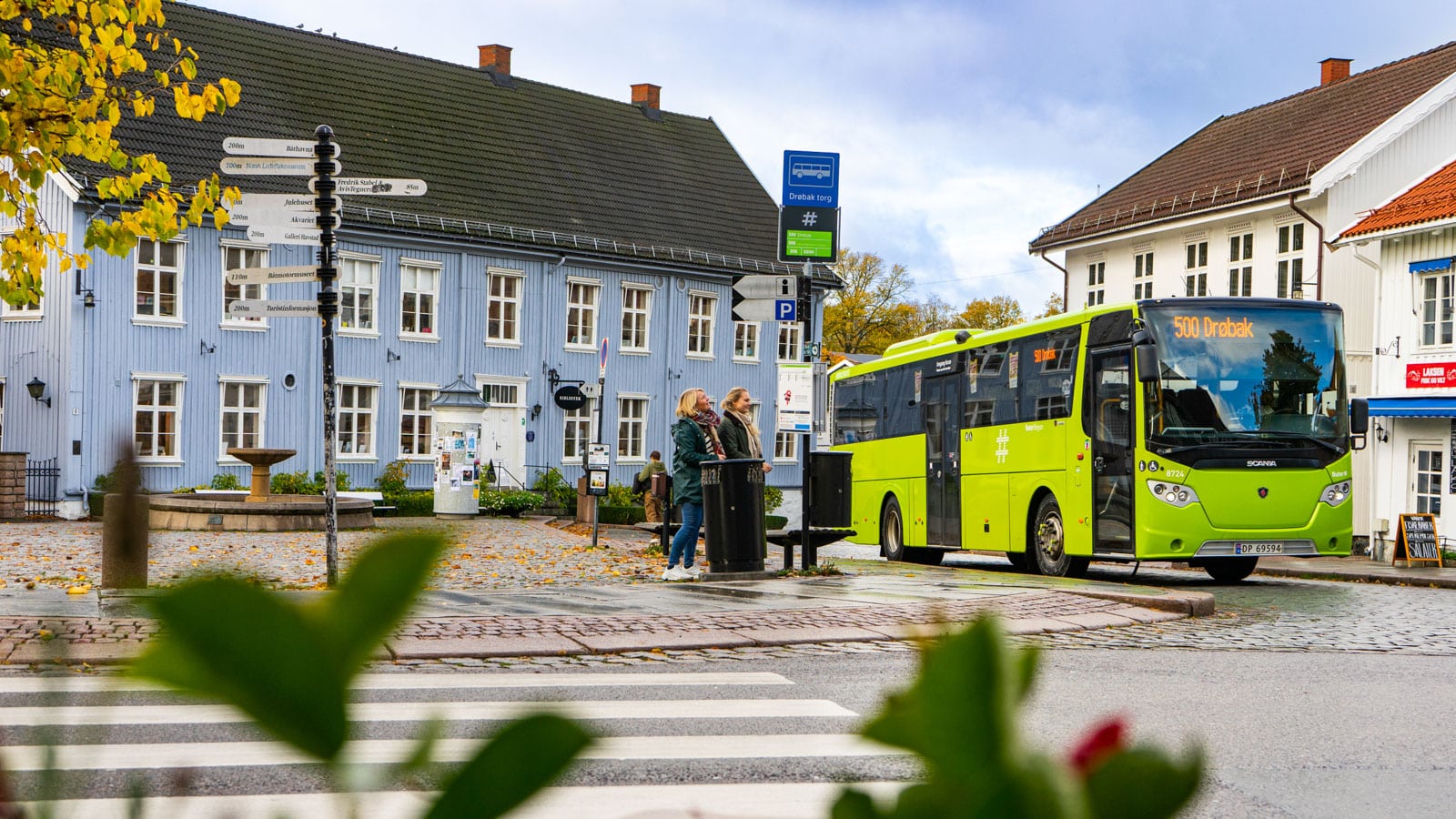
If you choose train or bus, you can reach most of our places – while the  hidden gems are usually off the beaten track and getting here requires a bit more planning.

We have several hotels and other accommodations that are happy to pick you up at central places where bus, or train stop. If you arrive by public transport, so don’t forget to ask your accommodation. On our website, there is direct information on how to get to the activity, the museum or the hotel by using the travel planner Entur  on your mobile. Here you can easily search for all bus and train routes in Norway.

Schaus Buss

Our partner in terms of bus is Schaus Buss, which is also environmentally certified through the Environmental Lighthouse.

Explore our region smart and eco-friendly with an electric car.

The charging options along Norwegian roads are among the best in the world. Perhaps not so surprising, since no country in the world has as many electric cars per inhabitant as Norway.

Most charging stations have several fast chargers, so there are not long to wait either. 

If you have to wait a little bit, several of the charging stations around Oslo are actually like small attractions in themselves. Here you can take a stroll in beautiful surroundings, have an ice cream nearby or enjoy lunch in the sun, while the car charge the batteries. If you choose to travel by electric car, we have some tips along the way.

Transport rundt i Akershus

Reis enkelt og bærekraftig gjennom Akershus

I Akershus er det både lett og miljøvennlig å komme seg rundt! Med et godt utbygd kollektivnett er buss og tog ofte den raskeste og mest behagelige måten å oppleve regionen på. Enten du skal utforske kultur, besøke bylivet i en av byene, nyte Oslofjorden eller dra på tur i skog og mark, finner du hyppige avganger og korte reisetider som tar deg dit du vil uten stress.

For deg som kjører elbil, er det heller ingen utfordring. Akershus har et stort og stadig voksende nettverk av ladeplasser, både langs hovedveier, i bysentra og ved attraksjoner, hoteller og kjøpesentre.

Her reiser du grønt, smart og sømløst, og kan bruke tiden på det som virkelig betyr noe, å utforske alt Akershus har å by på.

Bærums Verk kunst og handelssenter

På idylliske Bærums Verk ved elven Lomma finner du over 40 butikker, håndverkere, gallerier og serveringssteder.

Verksgata som bl.a. består av gamle arbeiderboliger fra 1700-tallet, er åpent 7 dager i uken året rundt, her finner du f.eks. smie, glassblåsere, sølvsmeder, gallerier, serveringssteder og unike butikker.

Følg med i hva-skjer-kalenderen for ulike event, forestillinger og markeder. Gjennom hele året er det ulike aktivieteter for deg som er glad i mat, kunst og handel på Bærums Verk.

De gamle støperiene er i dag et handelshus med to av Oslos beste interiørbutikker, flotte klesbutikker, stor sportsbutikk samt øvrige butikker tilhørende et lokalt kjøpesenter som apotek og vinmonopol.

Skulpturparken er landets største representant av norsk, tredimensjonal kunst takket være et godt samarbeid med Norsk Billedhoggerforening. 

Sommerstid arrangeres historiske omvisninger, rebus og kunstvandringer i skulpturparken, og med elven som bakteppe er det alltid koselig å besøke Bærums Verk, uansett årstid og vær.

Førjulstemningen på Bærums Verk er unik med sledeturer, bondens marked, juleboder, juleverksted, gratis omvisninger og mange flotte gaveideer blant utvalget i butikkene.

Industri historien fra det gamle jernverket daterer 400 år tilbake til tidlig 1600-tallet og fremstår i dag som et av landets mest særpregede og levende senter for handel, håndverk og historie åpent 7 dager i uken. Jernverksmiljøet var selve livsnerven i Bærum. 

Jernverket var i drift til 1964 og ble erstattet av trevirke før det i 1997 ble bygget om til handelssenter og de gamle trebygningene ble restaurert. Bærums Verk har opparbeidet parkområder og ligger vakkert til ved Lomma, vel verdt et besøk hele året. 

Åpningstider på Handelsstedet Bærums Verk er å finner på Facebook; @Bærums Verk og på www.baerumsverk.no

Velkommen til en minnerik dag på Bærums Verk!  

Skulpturparken på Bærums Verk

På vårt flotte uteområdet med idylliske bygninger langs elven, kan du fritt beskue 30 skulpturer utformet av landets fremste billedhoggere. De siste to verkene er “Light…

Ovnsmuseet på Bærums Verk

Ovnsmuseet har en unik samling av antikke støpejernsovner fra Verkets produksjon. Her vises stilutviklingen fra tunge barokkovner på 1700-tallet, frem til produksjonen stanset i 1964.

Kunstværket Galleri

Kunstværket er et galleri med et stort utvalg billedkunst av over 80 kjente kunstnere beliggende på historiske Bærums Verk.

8.tips til spennende opplevelser!

1. Aktivitetsparker og opplevelser

Bli med på fartsfylte og morsomme opplevelser i Norges største fornøyelsespark Tusenfryd. Prøv luftige svev i to av Norges tre vindtunneler eller zipline deg gjennom skogen i klatreparken. Møt en alpakka eller ri på ponni! Les mer om aktiviteter og våre sommerfavoritter her.

Tusenfryd SpeedMonster beskåret.jpg

Kjenn på gkreftene i SpeedMonster på TusenFryd

2. ‘Sørlandsidyll’ langs Oslofjorden

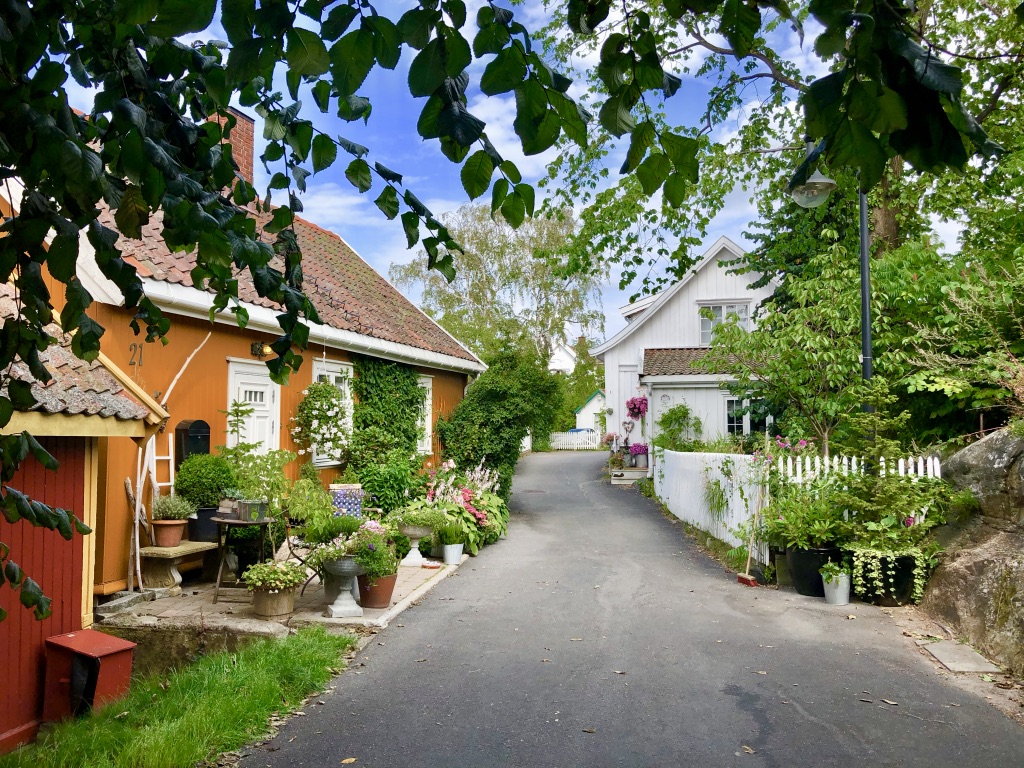
Langs Oslofjorden ligger perlene på en snor, enten du søker sørlands-sjarm blant de hvite småhusene, late dager på de fineste stendene eller vil ha aktive padle- og båtopplevelser på sjøen. Lett tilgjengelig med offentlig transport (ferge, tog, buss), det meste er innen rekkevidde på 30 minutter.

Nyheter langs fjorden er åpningen av Ramme på Hvitsten, sherpatrapp langs kyststien i Ås og aktivitetstilbud som vannscooter utleie i Vollen og flere badstueflåter for helsebringende sauna og sjøbad i kombinasjon med godt selskap. Finn din favorittperle her.

Sjarmerende Drøbak 

3. Kul kunst og spennende historie

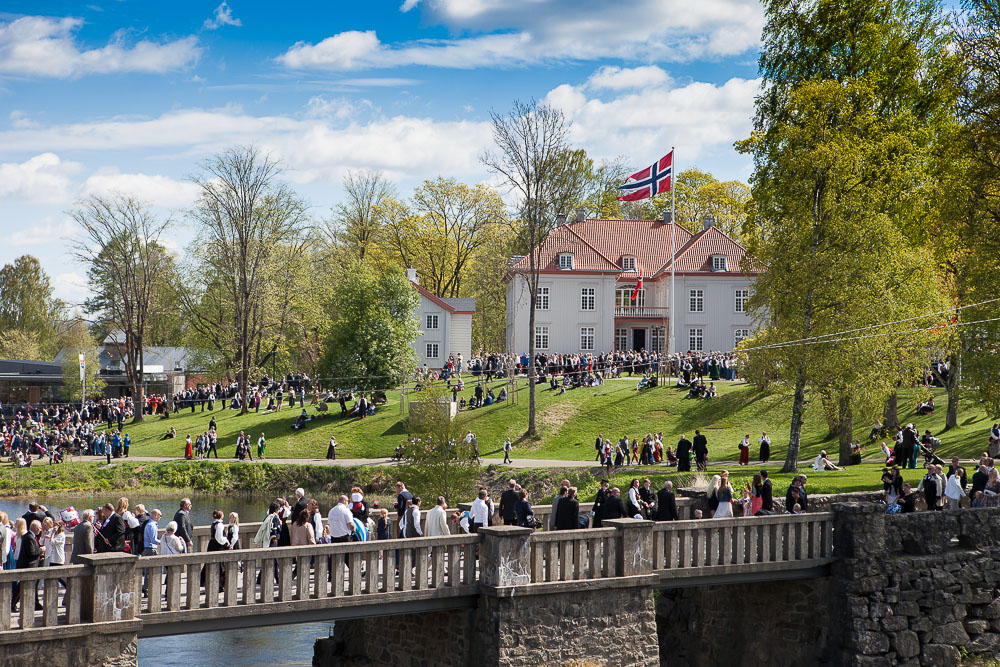
Det kryr av spennende kulturattraksjoner i Greater Oslo, og flere av dem må du ha med på din ‘bucket list’. Bli med på oppdagelsesferd på Oscarsborg festning og se kanonen som senket Blücher. På Eidsvoll kan du se det orginalet bordet der grunnlovet ble undertegnet i 1814. Kunst i særklasse finner du både på Henie Onstad Kunstsenter og Galleri Wurth.

Besøk attraksjoner som forteller historier både fra ny og gammel tid! Mer informasjon og inspirasjon til dagsutflukten finner du her.

4. Urbant småbyliv og kulinariske opplevelser

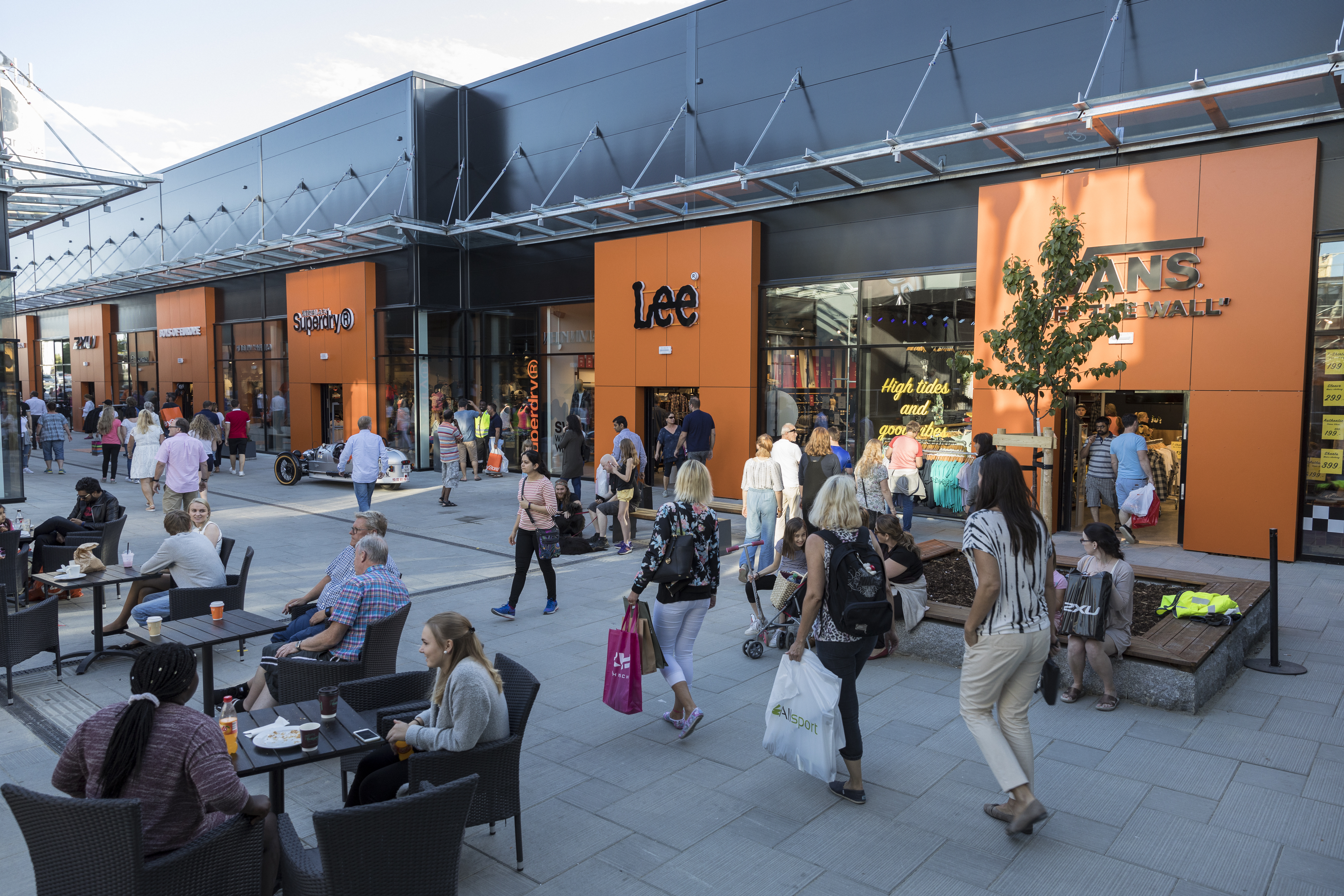
Ta en tur ut av Oslogryta til koselige småbyer langs fjorden og utforsk små nisjebutikker der kvalitet og håTa en tur ut av Oslogryta til koselige småbyer langs fjorden og utforsk små nisjebutikker der kvalitet og håndarbeid står i fokus. Kulinariske opplevelser står i kø. Besøk en gårdsbutikk, lokale bryggerier eller spis fersk sjømat på bryggekanten. Shop på noen av Norges største shopping- og outletsentre. Alt du trenger til ferien av turutstyr, badeleker og myggspray finner du her.

Tilbring sommernatten på lokale puber og vinbarer akkompagnert av livlige toner og lett jazz. Les mer om shopping og matopplevelser her.

Oslo Fashion Outlet i Vestby

5. Overnatt i skogen eller ved sjøen

Ønsket om å koble av i ett med naturen, bli vartet opp med ferdig frokost eller lære barna gledene ved camping og våkne til fuglesang og fiskesprett.

I Visit Greater Oslo finner du et variert tilbud av gode overnattingssteder til hyggelige priser vel verdt turen – selv hotell som skjuler seg i ett med naturen. Tips og inspirasjon til overnatting utenom det vanlige finner du her.

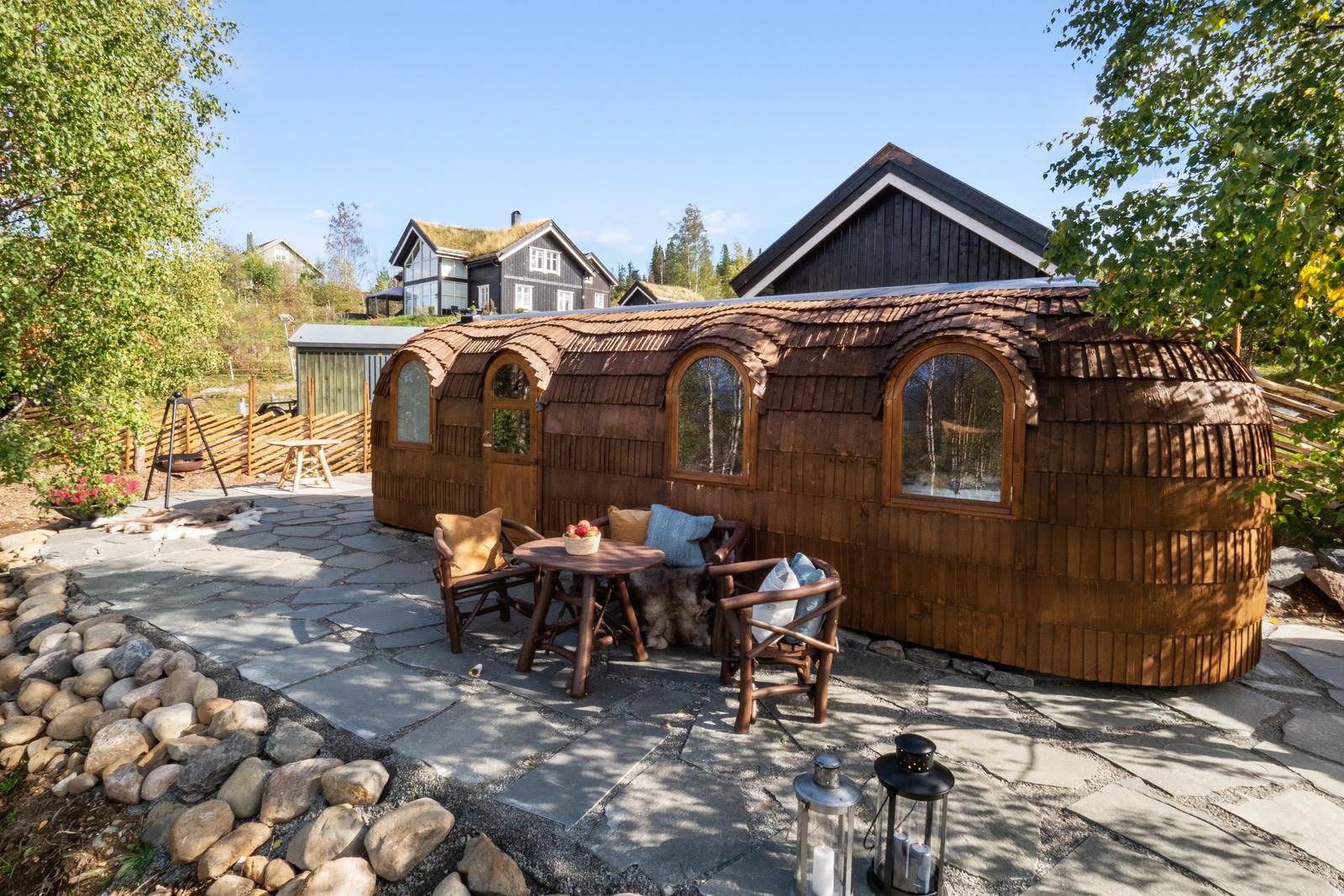
Konglehytta

6. Se hva som skjer i regionen

Vi vet hva som skjer i hele Greater Oslo regionen og holder deg oppdatert på regionens rike kulturliv, aktiviteter for barna, konserter, åpne museer, omvisninger og utstillinger.

7. Velvære og SPA opplevelser

La kjærligheten og vennskap få ny næring med pleie på et av områdets flotte SPA – og ikke glem kjærligheten til deg selv. Flere av Nordens flotteste SPA finner du en kort kjøretur utenfor Oslo-gryta. Les om fem steder du kan skjemme deg bort og få oversikt over badstuflåter i regionen.

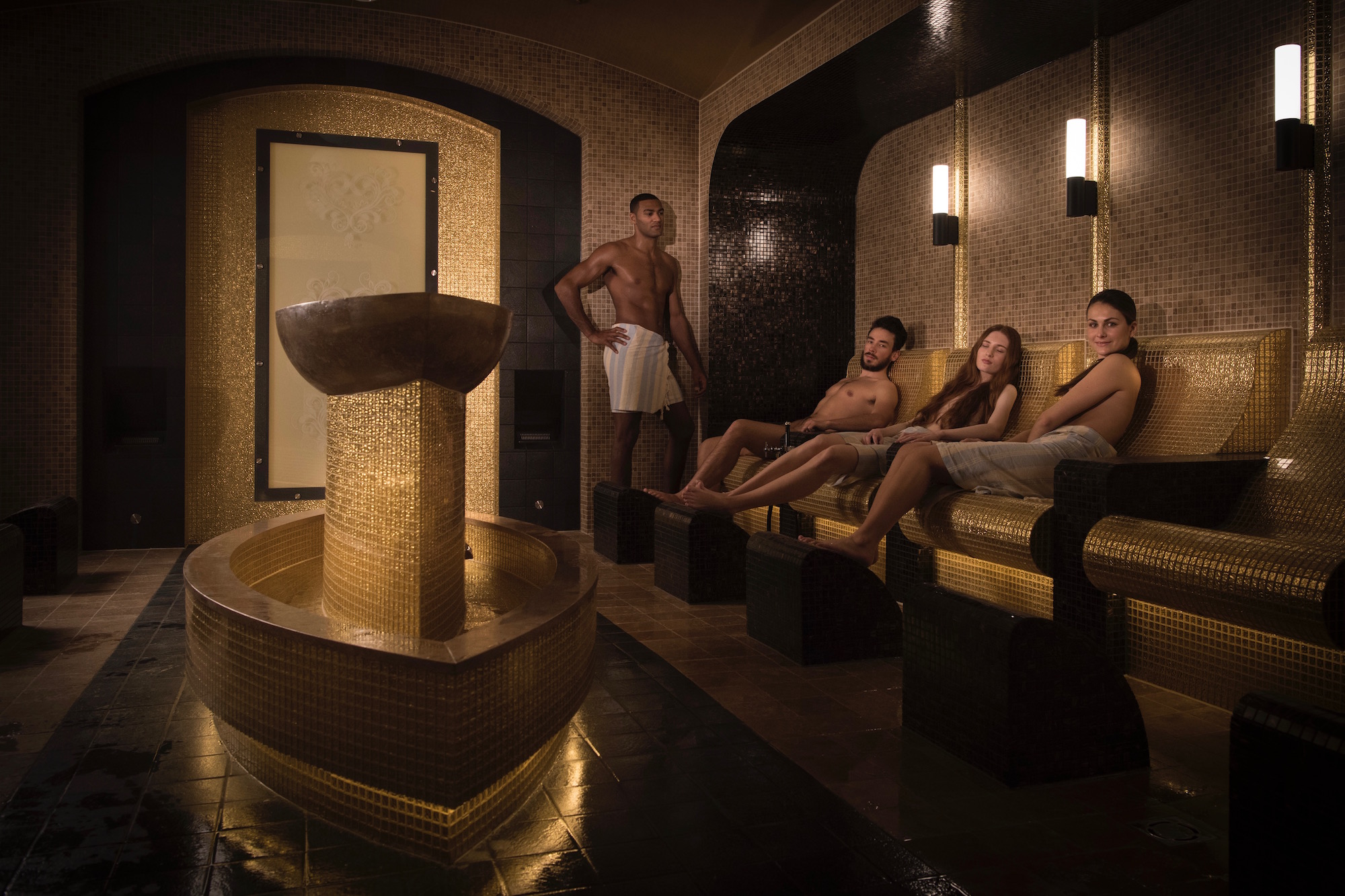
The Well - lett 3.jpg

Slapp av på The Well Nordens ledende spa- og velværesenter kun 20min fra Oslo sentrum

8. Aktive sommerdager

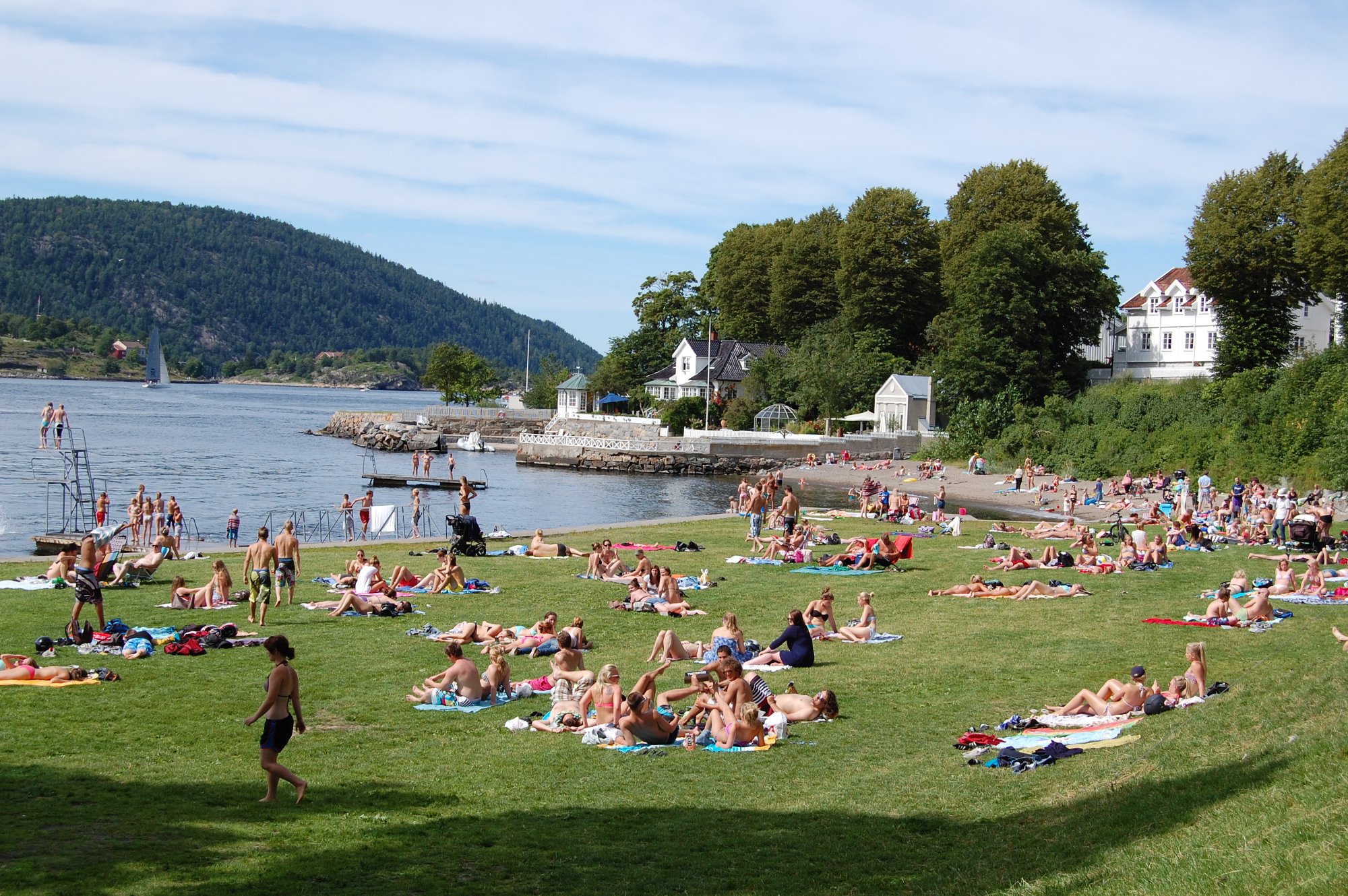
Bli med oss til kystens skjulte perler eller en av regionens flotte Blått Flag strender med kiosk utsalg så isen ikke smelter. Blått Flagg er en utmerkelse som fås for ekstra gode fasiliteter og godt, rent badevann og flott strand! Tips til dagsturer og aktiviteter langs kysten finner du her.

Oppskrifter til turmat

Tips fra Sigrid Henjums om hva du kan lage selv av turmat ! 

Sigrid Henjums hjemmelagde spekemat – Beef Jerky

Spekemat i en kopp på et saueskinn

Beef Jerky er en type marinert, delvis tørka kjøtt. Det vanligste er å bruke storfekjøtt, men også kjøtt fra hjort, elg eller andre dyr kan også fint brukes. Det viktige er at du bruker kjøtt med lite fett, ettersom fett ikke tørker like godt og gjør holdbarheten dårligere. Kjøttet er ferdig etter en halv dag med tørking, så dette er ekspress-speking! 

Grunnene til at tørka kjøtt egner seg perfekt som turmat, er flere: Det er lett i vekt, holdbart i ukevis og trenger ikke kjøling for å holde seg. I tillegg er det smakfullt, sunt og mettende. 

Dette trenger du: 

  • 200 g kjøtt i fine tynne strimler. (Det kan være lettere å skjære kjøttet i tynne strimler om kjøttet fortsatt er litt frossent.)
  • 2 ss BBQ-saus, HP-saus eller Worcestersaus – eller den sausen du foretrekker
  • 1 ts urtesalt
  • Litt kverna pepper

Slik gjør du: 

Bland sammen saus, salt og pepper og blant kjøttstrimlene inn i marinaden. Sett det i kjøleskapet over natta. 

Legg kjøttstrimlene flatt ut på bakepapir og tørk dem i stekeovnen på 50 grader i 6-10 timer, avhengig av hvor store kjøttbitene er. Målet er at de skal være myke, men kjennes tørre ut. (Mine biter ble nokså sprø etter en stund i en boks, men det var også godt.) Kjøttet holder seg lenge hvis du oppbevarer det kaldt og tørt. 

Nyt sammen med god drikke, som energipåfyll i bakken, eller som en forrett mens du venter på middagen. 

Granbarsirup à la Sigrid

Granskudd

Om våren spirer granskuddene på grantrærne, og plukker du de små ferske skuddene før de har begynt å sprike, er det kort vei til en deilig sirup du kan bruke til så mangt. – Jeg bruker granbarsirup til å gjøre teen søt, blåmuggosten uimotståelig eller vaniljeisen spennende, sier Sigrid.  

Dette trenger du: 

  • 2 liter små granskudd som er mindre enn 2 cm
  • 3 liter vann
  • Nesten 1 kg sukker

Slik gjør du: 

  • Kok granskuddene i vannet i ca. 45 min
  • Ha i sukker og kok i 15 min til, før du tar ut granskuddene
  • La sukkerlaken koke inn til sirup. Den er ferdig når fargen er rødlig og konsistensen som sirup
  • Hell på små flasker og ha tilgjengelig til enhver anledning hvor sirupen kan løfte smaken

11 fine turer i Osloregionen

Bogstadvannet rundt 

Rundtur rundt det flotte Bogstadvannet – en innsjø på grensen mellom Oslo og Bærum. Turen har middels vanskelighetsgrad, er 10 km lang og tar ca. 3 timer. Her passerer du gamle husmannsplasser og et av Norges flotteste gods. Bogstad gård ligger ærverdig nede ved vannets østside, og er åpent for besøkende året rundt. 

Damsafari i Drammen 

Rundtur hvor du passerer flere av dammene i Drammensmarka. Her kan du bli bedre kjent med Nerdammen, Mellomdammen, Solbergvannet, Urdevann, Steindammen og Yttervann. Turen har middels vanskelighetsgrad, er 9,5 km land og tar ca. 4 timer. Best egnet mellom mai og september. 

Topptur til Blåenga

Når du toppen av Blåenga (633 moh.) i Våler i Hedmark, kan du nyte en minneverdig utsikt. Med klart vær ser du det meste av Hedmark herfra! Det finnes flere alternative ruter til toppen, så her kan du selv velge om du vil gå på en familievennlig tur på halvannen kilometer hver vei, 2,7 kilometer hver vei i motbakke, eller ta en lenger tur på 5,5 kilometer hver vei. Uansett hva du velger står det en hytte på toppen som er åpen for turgåere sommer som vinter. 

Kyststien gjennom Vestby

Her kan du velge om du vil gå en langtur på 20 kilometer, eller ta en kortere tur på deler av kyststien. Ruta er godt merket, og tar deg gjennom et vakkert kulturlandskap, idylliske Son med sjarmerende trehus, trange smug og is-kiosk på brygga, store friområder i strandsonen, badeplasser og pittoreske Hvitsten – hvor du blant annet kan besøke kulturdestinasjonen Ramme gård.

Tilgjengelig utsiktspunkt på Hjelmkollen

Turen til Hjelmekollen i Østfold er kort – en snau kilometer hver vei. På toppen kan du nyte synet av både Halden, den gamle og den nye Svinesundsbroen og Hvaler. Turen starter ved den gamle tollstasjonen ved den gamle Svinesundsbroa. Underveis finner du skilt om den militære historien på Hjelmkollen, og hvis du har lommelykt kan du gå gjennom bunkeren. Det er benker og bord på toppen som egner seg fint for en matpause. 

Tur i Maridalens alper 

Flott tur med middels vanskelighetsgrad i hovedstaden som tar dere gjennom frodig skog i Nordmarka, forbi innsjøen Øyungen og opp til toppen av mellomkollen – som byr på flott utsikt over Oslo og marka. Turen starter fra busstoppet Skar, er 12,3 kilometer lang og tar mellom 2,5 og 3,5 timer.

Pilegrimsleden gjennom Vestfold 

Tunsbergleden, pilegrimsleden gjennom Vestfold starter i Larvik og går 110 kilometer nordover til fylkesgrensen mot Buskerud. Leden er en del av den nasjonale pilegrimsleden, St. Olavsvegene, som går til Trondheim. Turstien er merket, terrenget er enkelt, og du finner flere overnattingstilbud og serveringssteder underveis. 

Finnskogleden gjennom Elverum

Finnskogleden er en historisk vandreled på 24 mil som strekker seg nordover fra Morokulien i Eidskog til søre Osen i Trysil kommune. Finnskogleden tar deg gjennom grensetraktene som ble invadert av finner på 15- og 1600-tallet. Den merkede stien går både på norsk og svensk side av grensen, og følger gamle ferdselsveier mellom de gamle finnetorpene. Langs hele leden er det forbindelser til andre turstier og flere overnattingssteder.

Bjørneløypa i Fredrikstad – barnas egen tursti

Skal du på tur med noen med korte bein, er Bjørneløypa i Fredrikstad perfekt egnet. Den spennende og morsomme turstien i Bjørndalen i Fredrikstad er utstyrt med dyreskulpturer signert treskjærere Jordan Anderson som har tryllet fram treskulpturene med motorsag. Her kan barna oppdage både ekorn, fugler høyt oppe i trærne og bjørner som lurer bak hver sving. Halvveis i løypa er det en fin grillplass som er perfekt for matpausen. 

Enkel topptur langs Ramberget nær Gjøvik

Ramberget ligger på et høydedrag nord for Gjøvik, og er et supert turmål for familien. Turen på 3 kilometer tar rundt én time, og egner seg perfekt for å ta med hengekøyer. Da kan dere sovne og våkne til en fantastisk utsikt over Mjøsa og Gjøvik by. Turen starter og slutter på Lundstein skole eller Braastad kirke hvor dere kan parkere bilen. Derfra går dere til byggefeltet Kastadtjernet og videre inn på en enkel sti gjennom nydelig skog. 

Skeikampen rundt

Dette er en flott tur som presenterer deg for de ulike naturtypene Skeikampen har å by på. Turen passer for de fleste, er ca. 8 kilometer lang og tar mellom to og tre timer. Her går du i lett stigende terreng, og underveis vil du passere både skog og snaufjell. Når du kommer på turens høyeste punkt er du 1050 moh. Her kan du se Jotunheimen langt borte i nordvest og Rondane i nord. Fra toppen har du to valgmuligheter for hvor du vil gå tilbake: enten sørover, over toppen av Skeikampen, eller østover på stien som går langs siden av fjellet.